
The last one year has been hectic for Dutch major Philips.

Major companies DLF and Unitech have posted an increase in their net profit after a gap of almost two years.

Harpreet Singh Tibb has worked at the largest fast-moving consumer goods company in the country, Hindustan Unilever.

As urban shoppers tighten their belts, companies are betting on rural consumers and smaller packs to fire up sales.

The attempt is to maximise revenues at a time when advertisers are increasingly demanding greater bang for the buck.

In January, consumer price index-based inflation rose for the fourth consecutive month. It stood at 10.78 per cent, against 10.56 per cent in December.

Policy could end land acquisition and green nod problems, and encourage foreign investors.

Volume growth, a key metric for most consumer companies, was down to five per cent for HUL in the third quarter from almost 9-10 per cent a year ago.

While the thrust will be on pan-India residential projects, office and retail launches, too, will add up to make for the realtor's project mix of 12 to 16 million sq ft during the coming year.

Hindustan Unilever, the FMCG major, has posted disappointing numbers for the December quarter on weak consumer sentiment, specially in discretionary categories.

The company has commissioned an investment of close to Rs 1,000 crore (Rs 10 billion) over the next five years.

Hardcastle Restaurants to pay royalty of 8% of net sales by 2020, against the current 3%.
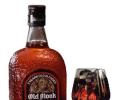
Golden Eagle was first launched 12 years ago, but the Ghaziabad-headquartered company stopped marketing the product a few years ago, to focus totally on its alcoholic division.

Amul is the most affordable of baby food brands at Rs 250-270 for a one-kg pack and Rs 130-35 for 500 grammes.

FMCG analysts say inflationary pressure forcing consumers to stinge on non-core products.

Mondelez looks to securing supplies, earning greater revenues from India, emerging markets

Interview with Britannia's MD on how she proposes to steer the company.

Company proposes to in-source manufacturing and build healthy portfolios of national and regional brands.

A year after test-marketing its traditional snacks in the northern states of Uttar Pradesh and Madhya Pradesh, Mumbai-based Parle Products is set to launch the product in the west and the north of the country.

The world over, small brands have challenged the big boys. India is no exception
 © 2026 Rediff.com - Investor Information - Advertise with us - Disclaimer - Privacy Policy - Sitemap - Feedback - About us - Terms of use - Grievances